
Planning a trip to Cambodia in 2026 can feel overwhelming with so many options. This guide highlights the destinations that matter most, so you can quickly decide where to go and plan a journey that fits your travel style.
1. Why Cambodia Is Worth Visiting in 2026
If you think you’ve "done" Cambodia because you’ve seen Angkor Wat, 2026 is the year to think again. The Kingdom of Wonder is undergoing a profound transformation, evolving from a bucket-list temple stop into a world-class destination for sustainable luxury, remote exploration, and seamless modern travel.
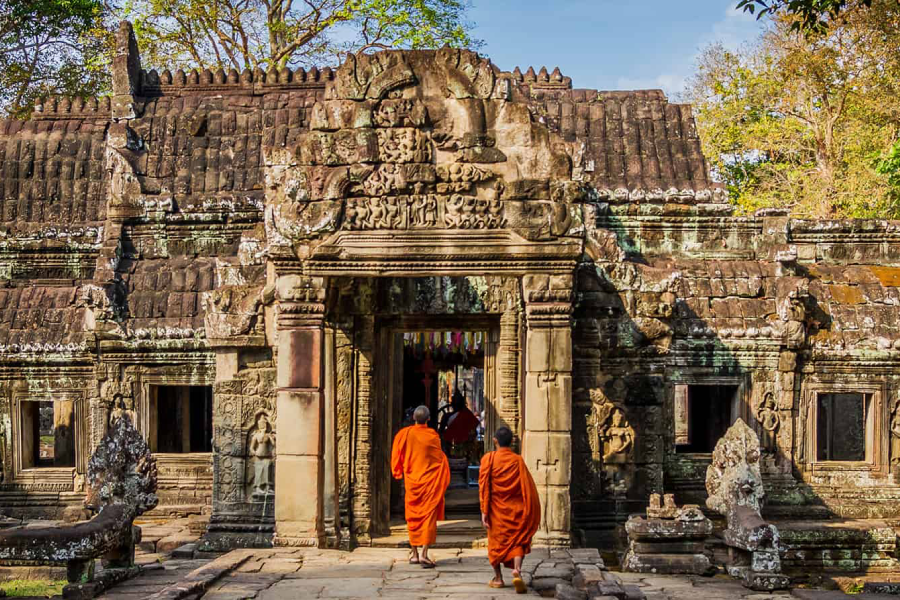
Here is why 2026 is the definitive time to book your journey:
1.1. Seamless access and modern infrastructure
The era of long, bumpy transfers is fading. By 2026, the Techo Takhmao International Airport (KTI) in Phnom Penh will be fully operational, positioning the capital as a primary inter-regional transport hub with increased direct long-haul flights. Combined with the Siem Reap-Angkor International Airport (SAI), entering the country has never been smoother.
Furthermore, the mandatory Cambodia e-Arrival system, newly redesigned in early 2026, has digitized immigration, health, and customs declarations into one sleek mobile interface, allowing you to breeze through arrivals in minutes.
1.2. A new era of "Beyond the Temples"
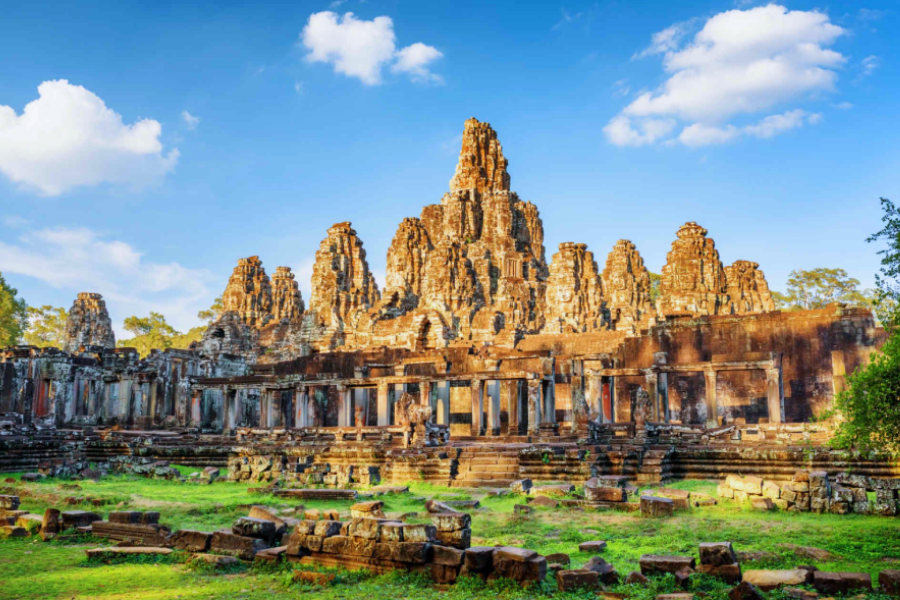
While the UNESCO-listed Angkor Archaeological Park remains the soul of the country, 2026 marks the peak of Cambodia’s "Diversification Vision." The focus has shifted toward:
Green Corridors: New ecotourism initiatives in the Cardamom Mountains, Kratie and Mondulkiri.
Creative Hubs: Siem Reap has reinvented itself as a center for contemporary Khmer art, gastronomy, and world-class performances, such as the Phare Circus.
Island Sophistication: The coastal scene in Koh Rong has matured, offering a "Maldives-meets-Southeast Asia" vibe with high-end resorts that prioritize marine conservation.
1.3. Sustainable and meaningful travel
In 2026, travelers are looking for depth, and Cambodia delivers. The government’s crackdown on over-tourism in sensitive areas and the promotion of community-based tourism (CBT) mean your visit directly supports local livelihoods. Whether it’s witnessing the rare Irrawaddy dolphins in Kratie or staying in a floating lodge in the mangroves, your 2026 trip is as much about the people and the planet as it is about the sights.

1.4. Competitive luxury & authenticity
Compared to its neighbors, Cambodia in 2026 offers an unparalleled "value-to-experience" ratio. You can find ultra-luxury stays, from the colonial grandeur of Raffles to the soulful minimalism of Zannier Hotels, at a fraction of the cost of similar experiences in Europe or the Caribbean, all while maintaining a raw, authentic charm that hasn't been polished away by mass tourism.
2. The best places to visit in Cambodia in 2026
2.1. Siem Reap
Siem Reap is the gateway to the Angkor Archaeological Park, a UNESCO World Heritage Site covering 400 km² of temples, reservoirs, and ancient roads built between the 9th and 15th centuries. Most travelers arrive knowing they want to see Angkor Wat, and leave realizing the park is far larger and more varied than a single visit can cover.
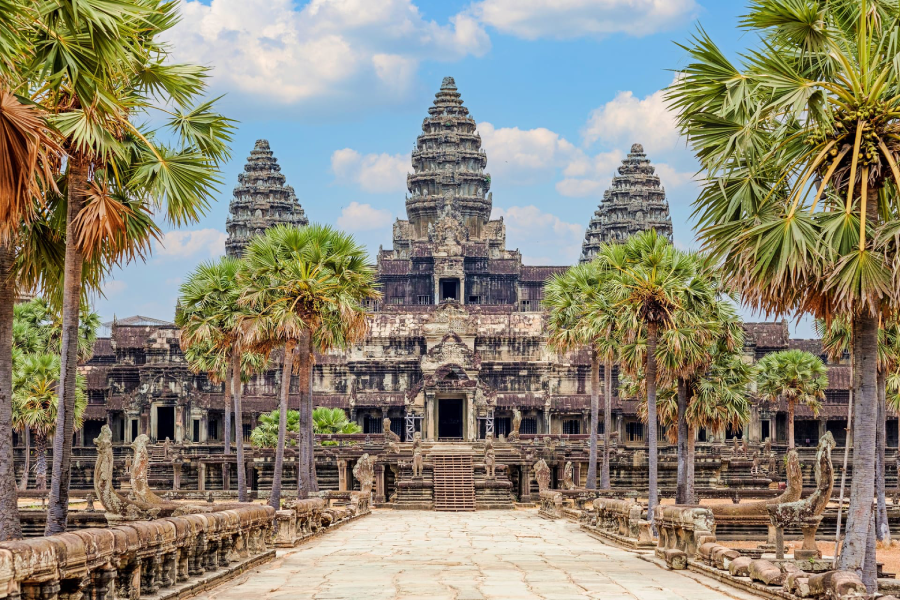
Angkor Wat at sunrise is a breathtaking sight, with the sky displaying vibrant shades of red, orange, and purple behind the ancient towers. The Bayon Temple, located in the heart of Angkor Thom, Cambodia, is celebrated as a masterpiece of Khmer architecture and a pinnacle of artistic achievement from the late 12th to early 13th centuries. Its 54 towers are adorned with over 200 massive, serene stone faces that exude mystery and compassion. Ta Prohm, featured in the Tomb Raider movie since 2001, is notable for its massive jungle trees and roots intertwined with the stone ruins. About 25 kilometers from the city center lies Banteay Srei, known as the "Citadel of Women" or the "Jewel of Khmer Art." It is famous for its intricate red sandstone carvings. Don't forget to spend half a day visiting Kbal Spean, also known as the "River of a Thousand Lingas." This remarkable Angkorian-era site represents a unique blend of natural beauty and spiritual devotion, featuring intricate stone carvings that honor the Hindu pantheon along the Stung Kbal Spean River.
An admission pass, commonly known as the Angkor Pass, is necessary to visit the temples in the Angkor Archaeological Park. There are 3 types of passes available:
| Pass Type | Price (USD) | Validity |
| 1-Day Pass | $37 | Valid for 1 day |
| 3-Day Pass | $62 | Valid for 10 days from purchase |
| 7-Day Pass | $72 | Valid for 1 month from purchase |
Other Nearby Temples (Separate Fees)
Phnom Kulen: $20
Koh Ker: $10As you leave the temple complex, you embark on a journey to explore the countryside and the vibrant local life. Around Tonle Sap Lake, the largest freshwater lake in Southeast Asia, daily life revolves around the water, featuring floating villages and stilted homes that adapt to seasonal changes.
Back in town, the atmosphere becomes lively and bustling. As you stroll through the Old Market, you'll discover a wide variety of goods, from handcrafted jewelry and silk scarves to intricate wood carvings. When the sun sets, Pub Street comes to life with colorful lights, vibrant bars, and a dynamic mix of sounds and flavors. Here, you can enjoy everything from traditional Khmer dishes and international cuisine to trendy rooftop bars and spontaneous street performances. Additionally, Phare, the Cambodian Circus, offers a high-energy cultural show that combines theater, folklore, music, and dance to tell unique Cambodian stories, addressing serious themes such as poverty, war, and discrimination with a blend of humor and emotion.
Getting around Siem Reap is part of what makes the experience effortless to shape. Tuk-tuk remains the most practical way to explore the temples, while e-bikes suit shorter distances and a more independent pace. For longer routes or added comfort, private cars are widely available, making it simple to adjust plans without overthinking logistics.
Regarding accommodations, boutique hotels and local houses with a good value are available, as well as more private, high-end resorts like Amansara, Raffles Grand Hotel d'Angkor, and Zannier Phum Baitang, which each shape the overall experience in unique ways.
With two to three full days, the visit begins to feel complete. This is usually enough time to move beyond the main temples and experience how the different parts of Siem Reap connect.
To ensure your trip to Siem Reap is truly unforgettable, consider the weather. Here’s what you need to know about the different seasons.
Siem Reap Weather & Tourism Table
| Season | Months | Weather | Crowds | Best For |
| Cool & Dry | Nov – Feb | 20°C–30°C, low humidity | Very High | Temple trekking, sunrise views, cycling |
| Hot & Dry | Mar – May | 30°C–40°C+, very hot | Moderate/High | Photography, early morning visits |
| Green/Wet | Jun – Oct | Humid, short, heavy showers | Low | Fewer crowds, lush scenery, lower prices |
2.2. Phnom Penh
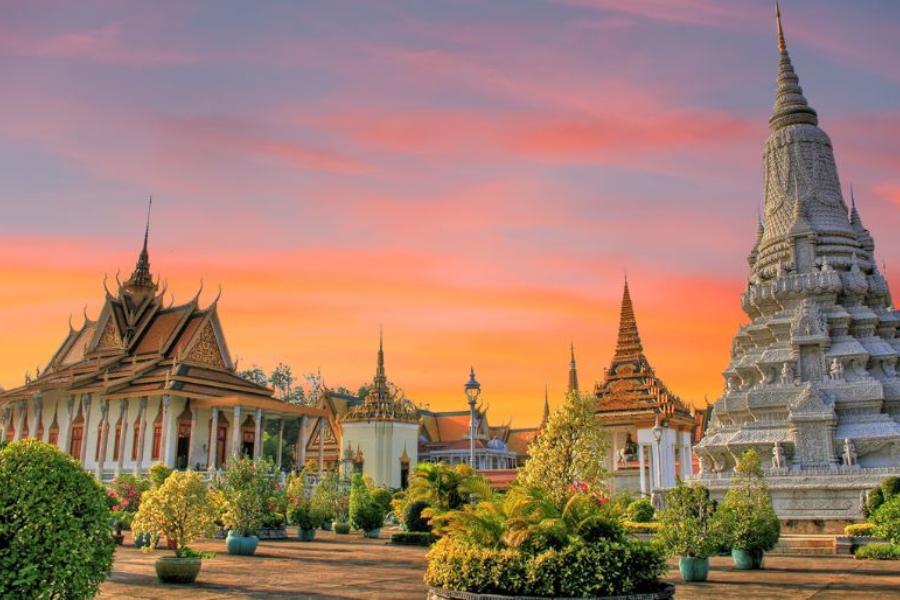
Phnom Penh stands as a testament to Cambodia's rich history, with its striking monuments and captivating architecture. The Royal Palace, built in 1866 by King Norodom at the confluence of the Mekong River, Tonle Sap Lake, and the Tonle Bassac River, enchants visitors with its refined elegance and offers a glimpse into the splendor of Khmer culture. This remarkable complex showcases stunning gilded roofs, exquisitely manicured gardens, and intricate stupas. Highlights such as the Silver Pagoda, the moonlight pavilion, the Napoleon III villa, and the Throne Hall make the Royal Palace a must-visit destination for anyone seeking to experience Cambodia's majestic heritage.
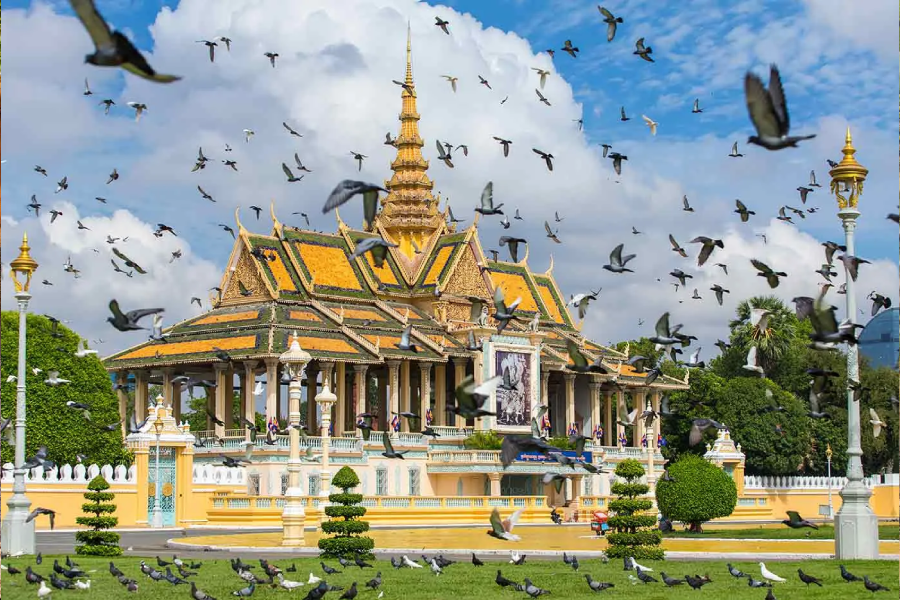
A visit to this city is incomplete without experiencing the captivating riverfront, where the Mekong and Tonle Sap rivers meet. As you walk along Sisowath Quay in the late afternoon, you'll witness the city's vibrant pulse; locals flock to the promenade as the daytime heat begins to fade, creating a lively atmosphere. Just a short distance away, the Tuol Sleng Genocide Museum (S21) and the Killing Fields (Choeung Ek) confront visitors with a sobering yet vital chapter of history, revealing the horrific realities of the Khmer Rouge regime from 1975 to 1979. It is estimated that around 1.5 million Cambodians perished during this dark period, and understanding this legacy is essential for a complete appreciation of the nation's resilience and strength.
To escape the hustle and bustle of the city center, take a short ferry ride to Koh Dach (Silk Island) and continue your journey by tuk-tuk or bicycle. You'll witness a striking transformation as the vibrant urban landscape gives way to the tranquil rural life characterized by farms, wooden houses, and delightful pagodas. Here, you can appreciate the art of silk weaving, a time-honored tradition among the villagers. The most common products crafted include silk scarves, garments, and traditional fabrics.
Getting around is relatively straightforward once you settle into the traffic’s rhythm. Distances between key areas are not large, though travel time can vary depending on the time of day. Most travelers rely on tuk tuks or private cars, which makes it easier to move between sites without overplanning each step.
Two or three full days in Phnom Penh offer an excellent opportunity to immerse yourself in the city's rich culture and history. With this time, you can explore not only the iconic tourist attractions but also uncover hidden gems and vibrant local neighborhoods that truly showcase the essence of this remarkable city.
For an unforgettable experience in Phnom Penh, stay near the Riverside (Daun Penh) for easy access to popular attractions such as the Royal Palace and the National Museum, Wat Phnom, the central market, and vibrant nightlife. Alternatively, BKK1 (Sangkat Boeung Keng Kang 1) is the city’s most cosmopolitan district. It is packed with specialty coffee shops, high-end boutiques, and some of the city's finest dining, great for families.
Consider top-rated hotels such as The Pavilion, Penh House Hotel, Haytt Regency, Palace Gate Resort, and Raffles Hotel Le Royal.
To truly feel the rhythm of daily local life, head south to the Russian Market area. This neighborhood offers an authentic, gritty yet charming vibe. It is the ultimate spot to taste the street food and browse hidden stalls for unique souvenirs, all while keeping your budget intact. Some recommended options are La Chronique hotel, Iroha Garden.
2.3. Kampot and Kep
Leave behind the hustle and bustle of Phnom Penh and embark on a rejuvenating journey to the south, just a 2-hour and 30-minute drive away. Here, you’ll discover the enchanting towns of Kampot and Kep, where nature, colonial charm, and coastal bliss harmoniously intertwine.
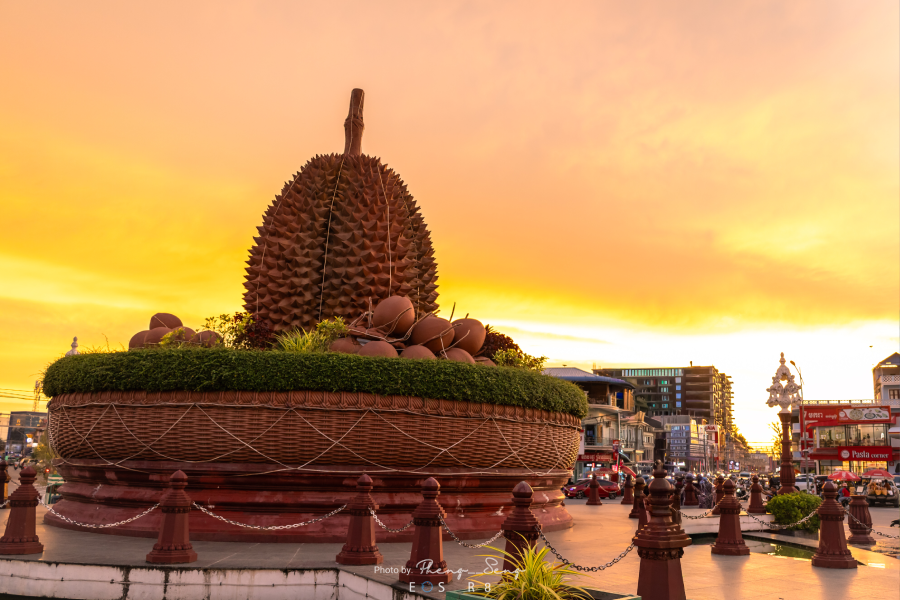
Kampot, with its picturesque setting along the Praek Tuek Chhu River and against the backdrop of the majestic Elephant Mountains, is a gateway to tranquility. This town, once a thriving French colonial trading port in the late 19th century, still showcases its rich history through beautifully preserved colonial architecture. Stroll through the streets to admire faded yellow shophouses, cozy cafes, and charming hotels clustered near the river and the Old Market. Key attractions like the Old Governor's Residence, the Kampot Provincial Museum, and the vibrant Old Market await your exploration. Kampot is also known for its organic pepper farms located in the surrounding countryside. The region’s unique combination of red laterite soil, river humidity, and the microclimate from Bokor Mountain produces a distinctive pepper that has obtained the World Trade Organization’s geographical indication (GI) status in 2010. Spending a half-day visiting a pepper farm, such as La Plantation or Sothy's Pepper Farm, allows you to explore how the famous Kampot pepper, along with local spices, fruits, and plants, is cultivated and processed.
Just a short distance from the town, you can hop on a tuk-tuk, motorcycle, or bicycle to embark on a thrilling adventure through stunning landscapes dotted with salt fields and quaint fishing villages. For water enthusiasts, the Praek Tuek Chhu River is perfect for paddling and kayaking through enchanting mangroves or enjoying a peaceful sunset cruise as the day winds down. Finally, don’t forget to visit Bokor Mountain—a former French hill station established in the 1920s, now a beautifully preserved site with an old casino, hotel, and church. Surrounded by lush cloud forest, it offers breathtaking views of the Gulf of Thailand on clear days.
The road from Kampot to Kep runs 25 km along the coast and arrives somewhere quieter still. Through the 1960s, Cambodian architects designed modernist villas along the Kep hillsides for royalty and the urban elite. After 1975 the town was emptied and the villas left to the elements, the Abandoned Villas that remain today have walls open to the sky, staircases leading nowhere, floor tiles holding their pattern under grass and tree roots. It is one of those places that carries its history without needing a museum to explain it.
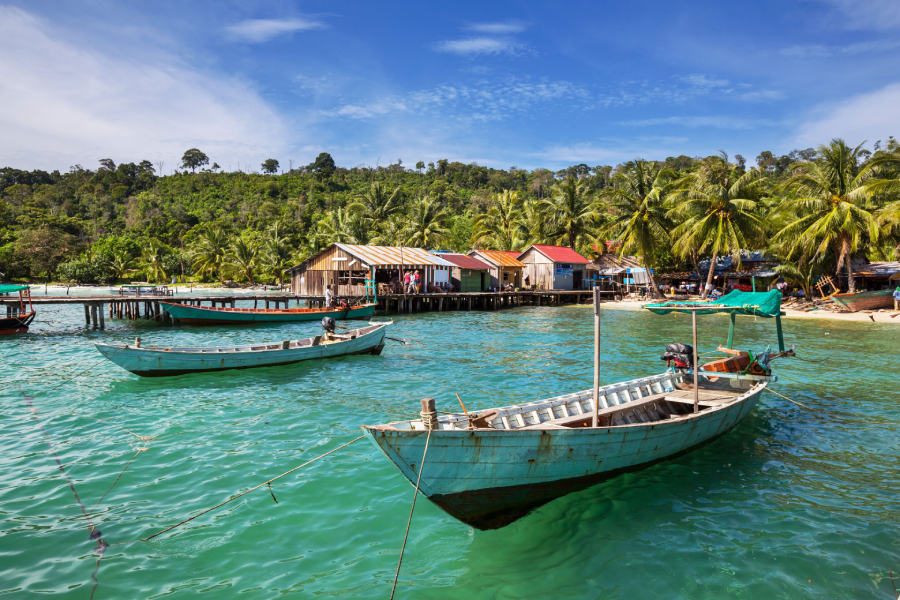
The Kep Crab Market runs every morning as it always has. Blue swimmer crab from Kep Bay cooked with Kampot green pepper is the meal this coastline is known for, and eating it here, with the source of both ingredients within sight is a different experience from any restaurant version. Kep Beach suits a quiet afternoon. Boat trips reach Rabbit Island (Koh Tonsay) in 20 minutes, or continue further to Koh Po and Koh Karang for island hopping. Kep National Park has 3 to 5 km of coastal hiking trails that most visitors overlook, which keeps the paths quiet even in high season.
For accommodation in Kampot and Kep, popular options range from riverside bungalows to boutique resorts. In Kep, some premier choices are Knai Bang Chatt 5*, Samanea Resort 4*, Veranda Natural Kep 4*, Kep Lodge 3* while in Kampot, top spots include Amber Kampot resort 5*, RiverTree Resort 4*, Rikitikiravi 3*, Kampot Boutique 3*, etc.
Season Overview
Season | Months | Highlights | Considerations |
Cool & Dry | Nov – Feb | Ideal for beach days in Kep and boat cruises in Kampot. | Peak tourist season; higher prices and more crowds. |
Hot & Dry | Mar – May | Pepper Harvest Season (Mar–May); Durian Season begins in May. | Intense heat (up to 38°C-40°C); very dusty roads. |
Wet (Green) | Jun – Oct | Lush landscapes and waterfalls at full flow; lower prices. | Daily afternoon showers; potential for flooding in late monsoon (Aug–Sep). |
2.4. Koh Rong and Koh Rong Samloem
Off the southwestern coast in the Gulf of Thailand, Koh Rong and Koh Rong Samloem are Cambodia's most rewarding islands. Pristine white-sand beaches, vibrant coral reefs, and turquoise waters that hold their color from the shoreline to the reef edge — the kind of coastline that justifies a detour from any mainland itinerary.
Getting there from Phnom Penh takes around 3 hours by car to Sihanoukville, followed by a 45-minute speedboat to the island. Travelers coming from Siem Reap or Ho Chi Minh City can take a 45-minute to 1-hour domestic flight to Sihanoukville airport then continue by land and by speedboat to the island.
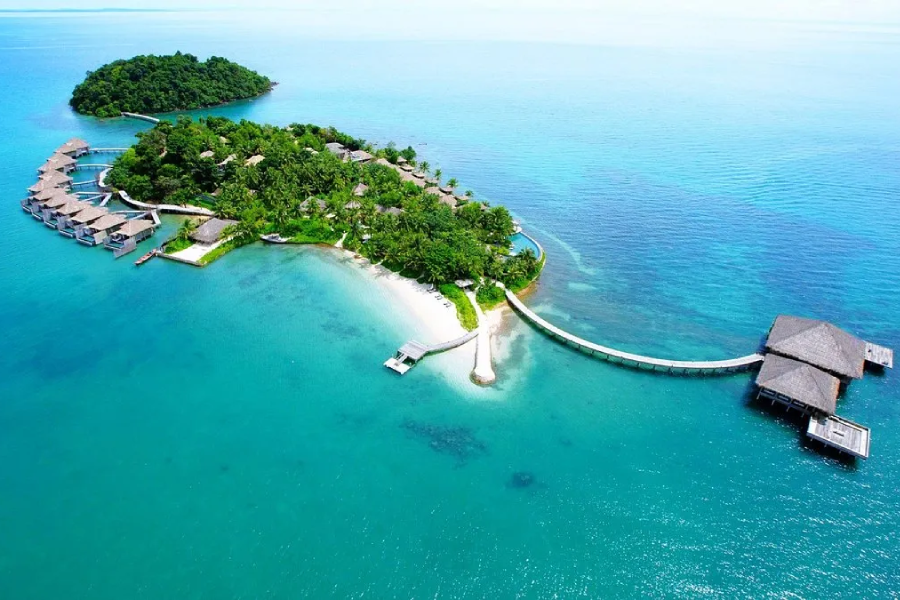
Koh Rong is the largest island in the region and a perfect destination for every type of traveler, whether you are a couple seeking romance, friends on an adventure, or a family looking to create lasting memories. What sets Koh Rong apart is its ability to offer modern comforts while maintaining its breathtaking natural beauty.
With 43 kilometers of coastline, it's no surprise that Koh Rong boasts some of the most beautiful beaches in Southeast Asia. Long Beach, also known as Sok San Beach, hugs the western shore of this idyllic island and is considered its finest escape. This 7-kilometer stretch of powdery white sand offers clear waters and is perfect for enjoying sunsets and snorkeling. Remarkably undeveloped for several kilometers, Long Beach was previously used as a key filming location for the popular U.S. television series "Survivor". Moreover, it features the luxurious Royal Sands 5* resort, the perfect retreat for those who desire a touch of elegance.
Located near Koh Toch Village, Long Set Beach—often referred to as 4K Beach—is a stunning stretch of sand on the south coast of Koh Rong. It is excellent for swimming, sunbathing, and viewing bioluminescent plankton at night. This beach features a handful of hostels and boutique resorts but remains relatively peaceful, with short paths connecting it to nearby Nature Beach and Koh Toch Beach.
Situated on the quieter side of Koh Rong Island, Pagoda Beach is a truly secluded paradise. It boasts beautiful stretches of white sand and calm waters with mesmerizing colors. Several small resorts and hotels are located directly on the beach, including Tamu Koh Rong, The Beach Resort, and You&Me Resort.
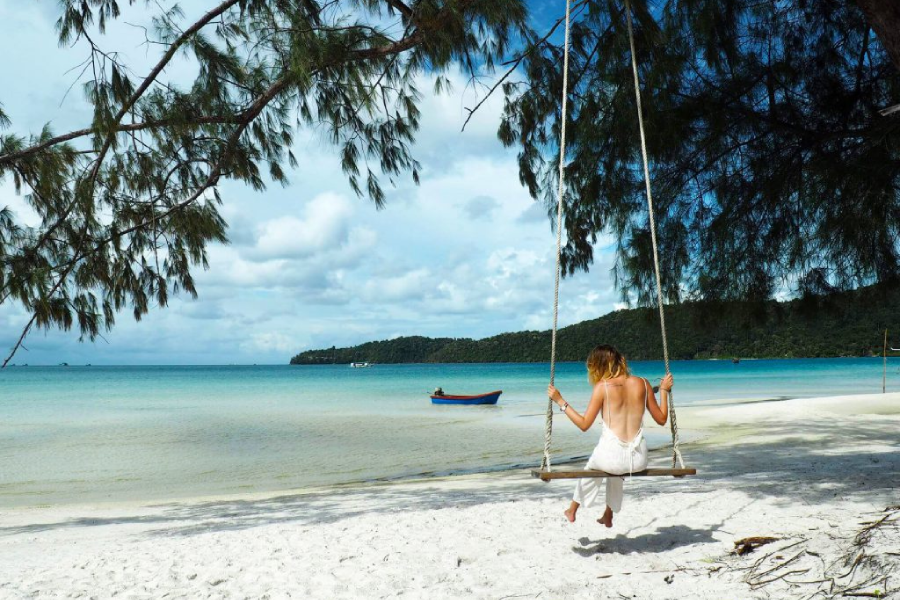
Koh Rong Sanloem is a tropical paradise, featuring endless sandy beaches and lush jungles. The island is home to three main settlements, each with its own unique character. Saracen Bay, with its crescent-shaped stretch of white sand along the island’s eastern shoreline, is undoubtedly the most beautiful spot. The tranquil, shallow waters offer a range of leisure activities, from relaxation to vibrant fire-spinning entertainment.
On the more rugged, remote side of Sanloem, Lazy Beach and Sunset Beach offer slightly wilder, cooler waters. Despite their rougher edges, they still offer plenty of creature comforts. Be sure to visit the lighthouse, where you can climb to the top, and explore the mysterious stone carvings in the mountains, which seem to hold secrets known only to the locals.
The best time to visit Koh Rong is during the dry season, specifically from late November to early May, when you can expect clear skies, calm turquoise waters, and low humidity.
2.5. Battambang
Battambang sits in the northwest of Cambodia, two hours and 30 minutes from Siem Reap or 5h30 from Phnom Penh by road, and a full world away in pace. The city has been a trading hub since the 18th century - first under Siamese control, then French, then its own, and that layered history shows up in the architecture and the countryside.
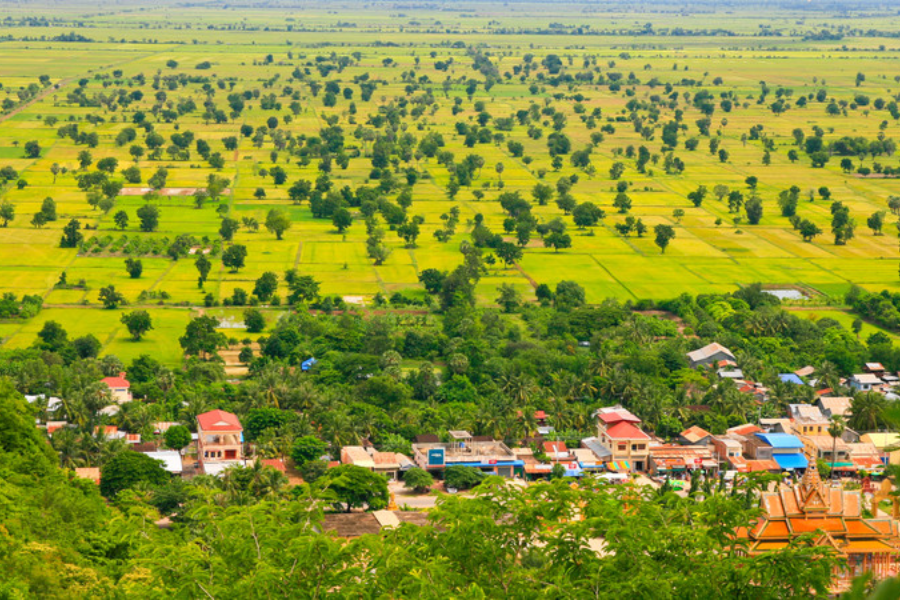
The well-preserved French colonial architecture along the Sangkae River clearly tells that story. Street 1.5 running parallel to the river is one of the best-preserved colonial streetscapes in Cambodia - two-story shophouses with shuttered windows and decorative facades, most of them still operating as pharmacies, hardware stores, and coffee shops. The Battambang Museum nearby holds a well-curated collection of Khmer sculpture and ceramics from the Angkorian period, worth an hour before heading out of town.
Battambang Province produces more rice than anywhere else in Cambodia, and that shapes everything outside the city. A tuk-tuk or bicycle ride through villages passes rice paper workshops where sheets dry on bamboo racks in the morning sun, palm-sugar cooking down in open woks, and local wineries fermenting rice and tropical fruit into wine . This journey continues to the impressive Angkorian temple, Wat Ek Phnom.
Once you visit Battambang, don't miss the pleasant ride on the Bamboo Train. Once a mode of transportation for locals and goods, the bamboo train has now become a must-see attraction in the Battambang area. The Bamboo Train runs 7 km on a single track through this landscape - a bamboo platform powered by a repurposed motorcycle engine, dismantling in minutes when two trains meet on the line and reassembling after the other passes. Your journey concludes in a quaint village filled with unique souvenirs and refreshing drink stands, after which you’ll enjoy the same scenic route back. It’s an adventure that promises both fun and a glimpse into local culture!
Don't forget the unforgettable performance by the Phare Ponleu Selpak Circus! Young talents train here to become exceptional circus artists, and they showcase their skills in public performances several times a week. As an NGO project, every ticket sold directly supports the education of these remarkable young individuals. The performances are not just high-quality; they are truly moving experiences. While there might be some unexpected moments, they only add to the show's charm and excitement. For just $16, you can witness an incredible display of talent, creativity, and passion.
Phnom Sampeau, 12 km southwest of town, carries several histories in the same place. The hilltop pagoda has been an active place of worship since the 17th century. The caves midway up the cliff were used by the Khmer Rouge as execution sites between 1975 and 1979, and a small memorial now marks where victims were thrown. At dusk, an estimated 3 to 5 million wrinkle-lipped bats emerge from the cave mouth in a stream that takes 20 to 30 minutes to pass, with local hawk-eagles circling below. The Bat Caves at that hour sit somewhere between natural spectacle and deeply uncomfortable history, which is an honest summary of what Battambang tends to leave people with.
2.6. Kratie
Kratie sits on the banks of the Mekong in eastern Cambodia, far enough from the main tourist circuit that the town still runs entirely on its own rhythm. The river here is wide and unhurried, and most of what makes Kratie worth visiting follows that same quality.
The primary draw is the Irrawaddy dolphins, one of the last freshwater populations of the species in the world. The viewing area at Kampi, 15 km north of town, involves a small wooden boat drifting out to mid-river pools where the dolphins gather in the dry season. Sightings are quiet and brief - a surfacing, a slow roll, an exhalation - and that understatement is part of what makes the experience genuine. The population in this stretch of the Mekong numbers fewer than 90 individuals, and the $9 USD entry fee goes directly to the local conservation program. On the way back to the town, travelers have a chance to stop at Phnom Sambok Pagoda. A short climb from the riverbank opens up a panoramic view across the Mekong that most visitors catch at sunset before dinner.
Koh Trong, a small island a two-minute ferry ride from the Kratie pier, has no cars and 8 km of laterite track through pomelo orchards, rice paddies, and a Vietnamese floating village on the southern tip that has been here for generations. Cycling the circuit takes a morning and covers a version of Mekong river life that has changed very little. Back on the mainland, the 18th-century Wat Rokar with its distinctive wooden structure is one of the oldest temples in the province and rarely crowded. For those continuing north, Kratie connects naturally to the overland route into southern Laos and the 4,000 Islands - one of the more logical and rewarding border crossings in the region.
2.7. Cardamom Mountains
The Cardamom Mountains cover the southwestern corner of Cambodia in a sweep of dense rainforest, rivers, and highland terrain that remains largely untouched. Getting here requires a deliberate detour from the main routes, and that inaccessibility is what has kept the landscape intact.
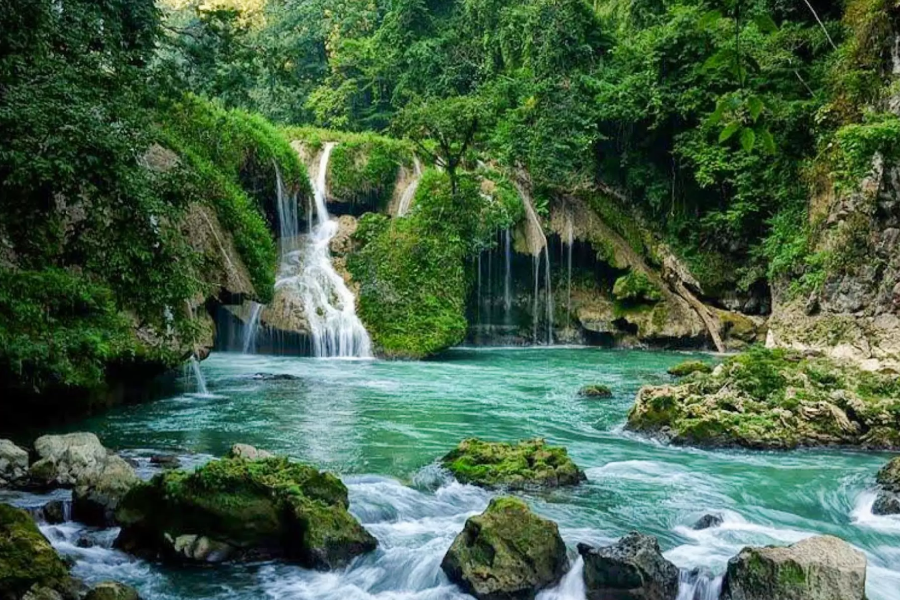
The forest supports Asian elephants, sun bears, clouded leopards, and over 500 bird species. Ta Tai Waterfall, fed by highland streams and surrounded by primary jungle, is the natural anchor of the southern section - accessible year-round but most powerful in the wet season when the water runs high. The Tatai River that flows from it opens up into mangrove channels wide enough for kayaking, with the tree canopy closing overhead and the water the only road forward. Further into the interior, jungle trekking routes run through biodiversity-rich forest that sees very few visitors outside of organized conservation programs.
Chi Phat, a former logging village on the Preak Piphot River, has been operating as a community-based ecotourism base since 2007. The guides here are former hunters who know the forest in a way that no outside operator can replicate. Multi-day treks, river trips, and mountain biking routes into the interior are organized through the village CBET office, with proceeds going directly to the community.
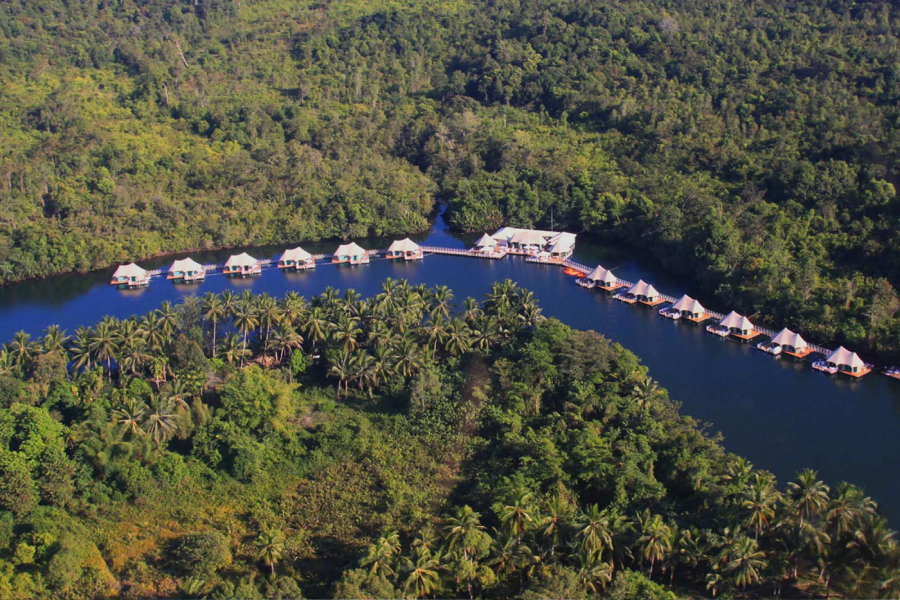
Accommodation in the mountains takes the form of floating lodges and eco-camps set on the rivers, reached by boat. Hidden on the peaceful Tatai River in Koh Kong, Canvas & Orchids Retreat is a rare place where romance, nature, and family adventure meet. Shinta Mani Wild near Koh Kong operates at the high end - tents in the heart of the jungle , accessed by zipline, with a conservation program built into the operation. For those who prefer a more independent experience, the guesthouses in Chi Phat and the basic camps along the river offer a quieter entry into the same landscape. Two to three nights gives enough time to go deep without losing the thread of a broader Cambodia itinerary.
Best time | Nov - May. Green season brings higher waterfalls but leech conditions on jungle trails |
Access to Chi Phat | Phnom Penh → Andoung Tuek by bus (4-5 hrs) + 30 min boat to Chi Phat |
Suggested stay | 2-3 nights for trekking, kayaking, and mangrove exploration |
Best for | Conservation travel, biodiversity, jungle trekking, kayaking, floating lodge stays |
Not for | First-time visitors expecting beach-style comfort or dense activity schedules |
3. Final thoughts
The destinations in this guide cover the full range of what Cambodia offers in 2026. Where to start depends on what kind of trip you're after. For most travelers, Siem Reap makes sense as the entry point. For those who want to build outward from there, the rest follows naturally.
If you're ready to start planning, our team at Go-Indochina can help put together an itinerary that fits your travel style, timeline, and budget. We know these places well, and we're happy to share what we know.